
The Easiest Way to Eat More Nutrients Every Day
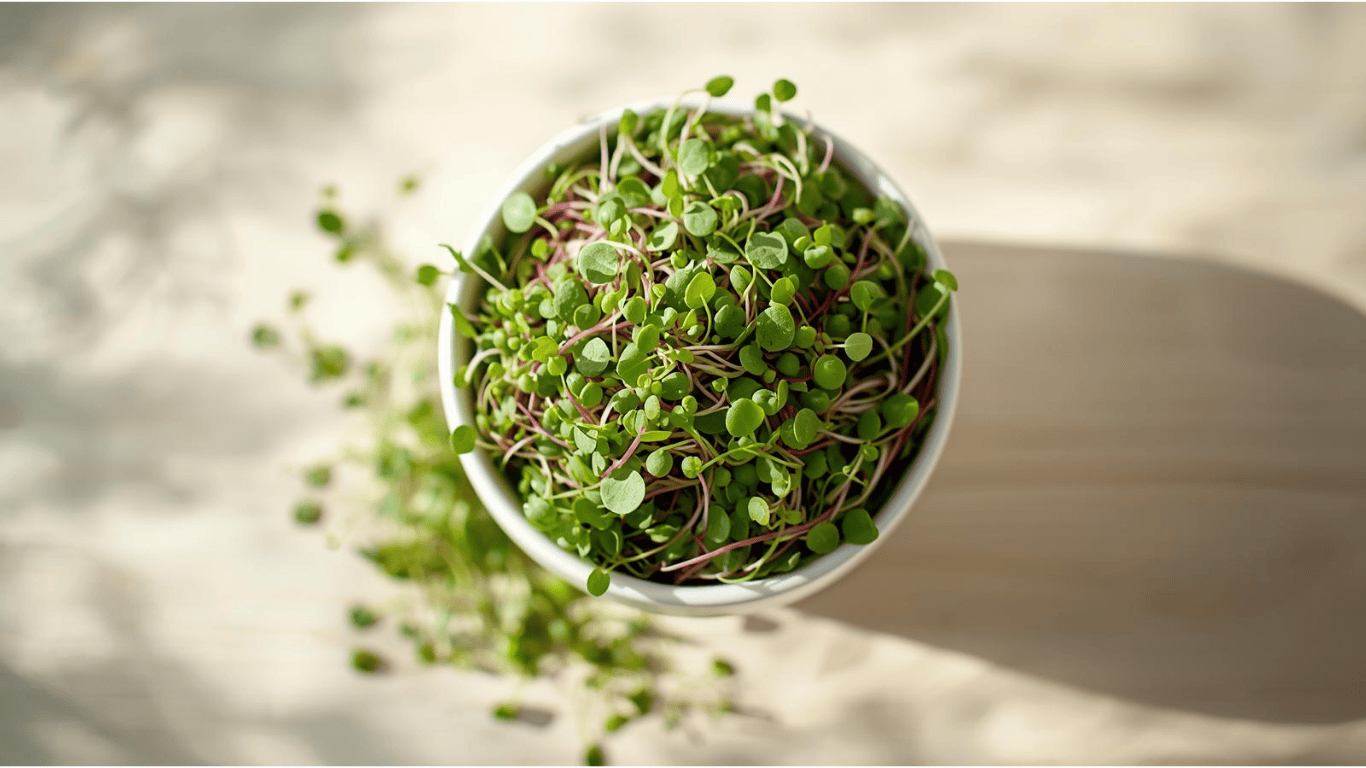
You don't need a complicated diet plan. You don't need expensive supplements. You just need to add a little more of the right whole food to what you're already eating.
The supplement industry is enormous and for good reason. Most of us know we're not getting everything we need from food alone, and a daily multivitamin feels like a reasonable insurance policy. But there's a growing body of research suggesting that whole foods deliver nutrients in a form the body uses more effectively than isolated supplements.
The question is: which whole foods, and how much do you actually need to eat?
Microgreens offer one of the most practical answers to that question.
Why Most of Us Have a Nutrition Gap
It's not that we're eating badly. Most people trying to eat well are making reasonable choices, more vegetables, less processed food, and plenty of water. But a few factors work against us:
Winter produce is less nutritious. Vegetables shipped thousands of kilometres lose significant amounts of their vitamins and antioxidants in transit and cold storage. The broccoli at the grocery store in January is nutritionally quite different from the broccoli harvested locally and fresh in August.
We don't eat as many vegetables as we think. Studies consistently show that adults overestimate their vegetable intake. Even people who eat well rarely hit the recommended variety and volume every day.
Our bodies are dealing with more inflammation. Stress, sedentary work, processed food, cold weather, and seasonal illness all contribute to low-grade chronic inflammation — which depletes the body's reserves of antioxidants and anti-inflammatory compounds faster than we replenish them.
Where Microgreens Come In
Microgreens are harvested at the point of maximum nutrient concentration, just after the first true leaves appear, before the plant begins diverting energy into growth and maturation.
The result is a food that's nutritionally dense in a way that's hard to match with the same volume of mature vegetables.
Broccoli microgreens contain up to 100 times more sulforaphane than mature broccoli. Sulforaphane is a compound with powerful anti-inflammatory and cancer-protective properties.
Arugula microgreens contain up to 25% protein and are rich in vitamins A, C, E, and K, along with antioxidants that support eye health and reduce inflammation.
Mustard microgreens, both Oriental and Yellow, are loaded with glucosinolates, which research links to reduced risk of chronic disease and better antioxidant status.
These aren't exotic superfoods that require a special diet or a lifestyle overhaul. They're familiar plants, broccoli, arugula, mustard, just at a stage where they're working harder for you nutritionally.
What This Looks Like in Practice
The practical beauty of microgreens is that they don't require you to change how you eat. They fit into what you're already making:
A tablespoon of broccoli microgreens stirred into morning eggs
A handful of arugula microgreens on your lunchtime sandwich
A pinch of Oriental Mustard microgreens on your soup or noodle bowl
Yellow Mustard microgreens mixed into a grain salad
Each of these is a small addition, but nutritionally, it's doing a lot. You're adding concentrated whole-food vitamins, minerals, antioxidants, and anti-inflammatory compounds to a meal that would otherwise be fairly ordinary.
A Food-First Approach
At Medley Micro Farm, our philosophy is simple: good food is the foundation of good health. We believe that eating well and doing it consistently, practically, with whole foods you can actually access locally, does more for long-term health than any supplement routine.
That's why we grow microgreens year-round in Eastern Ontario, using organic-style methods and no pesticides or herbicides. Fresh, local, and nutrient-dense. Available to our community even in the middle of January.
Take the First Step
If you want a simple reference for which varieties to try and what they'll do for you nutritionally, we've put together a free one-page cheat sheet that breaks it all down.
Download the free Microgreens Nutrition Cheat Sheet →
Flavour profiles, key nutrients, and usage ideas — all on one printable page. Enter your name and email for instant access.
Medley Micro Farm Inc. grows microgreens and herbs in Eastern Ontario using organic-style methods. Learn more at medleymicro.ca.
Disclaimer: This article and the associated website do not provide medical or nutritional advice. The information and material contained on this website are for informational and/or entertainment purposes only. No material on this site is a substitute for professional medical advice, diagnosis, or treatment.
Always seek your physicians' or qualified nutritionists' advice before undertaking a new healthcare regimen or using any information you have read on this website to treat or prevent any condition.