
Anti-Inflammatory Foods You Can Actually Eat Every Day
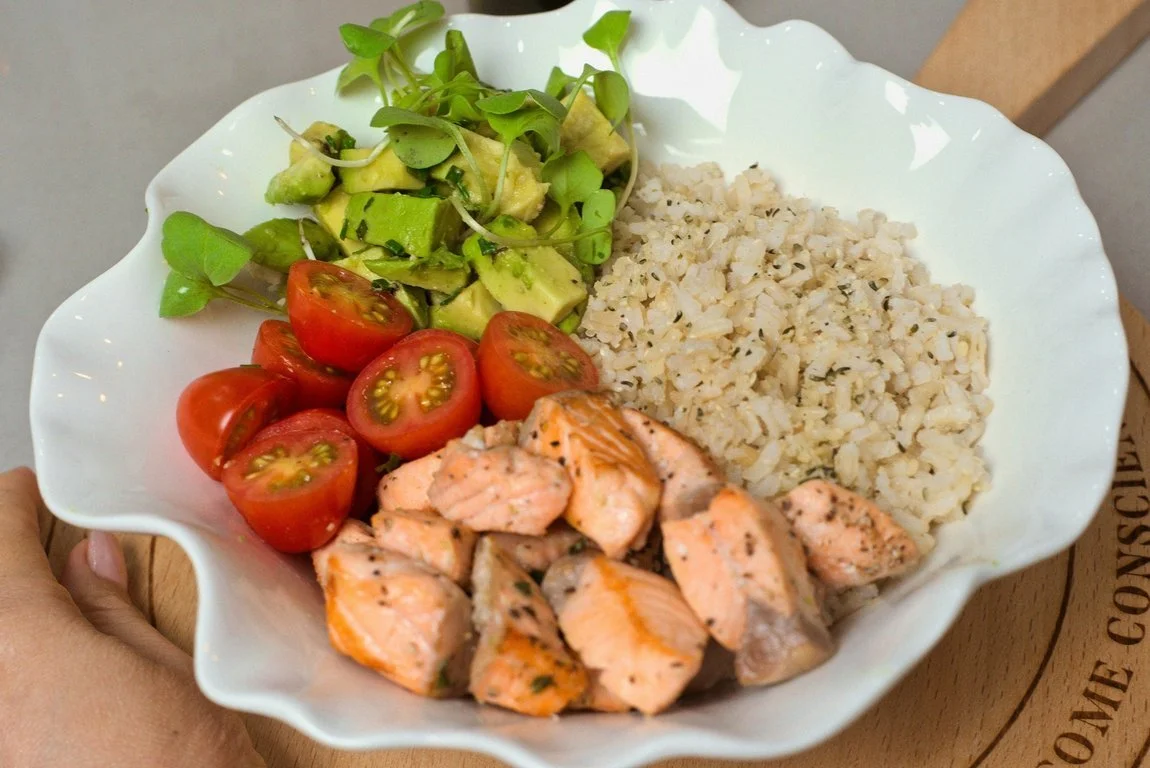
Inflammation Isn’t the Enemy — It’s a Signal. It’s your body telling you there is a potential problem.
The word “inflammation” gets thrown around a lot.
You’ll see headlines claiming everything is inflammatory. Sugar. Dairy. Bread. Seed oils. Tomatoes. Red meat. Sometimes even fruit. Depending on the person, any or all of these could be inflammatory.
It gets overwhelming quickly. Here’s the calmer truth.
Inflammation isn’t automatically bad. It’s a natural part of how your body heals and protects itself. When you cut your finger or fight off an infection, inflammation is part of the process.
The concern isn’t short-term inflammation. It’s chronic, low-grade inflammation that can quietly build over time. This chronic, low-grade inflammation is often influenced by stress, sleep, movement, and diet. It’ this chronic inflammation that impacts our quality of life.
And this is where everyday food habits matter.
Everyone is Different
If your inflammation is ongoing and sever then hopefully you are working with medical providers. For most of us, we don’t need to follow a strict anti-inflammatory protocol.
We don’t need to eliminate everything enjoyable. Although there are foods that are naturally going to cause inflammation, especially as we age. Eliminating them will just make things easier. But everyone is different so you may need to work with someone or experiment.
And we definitely don’t need to chase expensive superfoods from the other side of the planet. Although they may be great, there are also local foods that are great for us as well. Usually local foods are more reasonably priced and not subject to disruptions in supply chains.
What we really need to do is apply consistency in our approach. Addressing the things that trigger the chronic inflammation such as the foods we eat, the amount and quality of sleep we get, the exercise we do (movement) and how we manage our stress.
Adding foods known for their antioxidant and plant compound content into your regular meals is an easy first step to support balance. Especially in midlife, when the goal shifts from performance to longevity and steady vitality.
What Makes a Food Anti-Inflammatory?
Certain foods contain compounds that help manage oxidative stress and support the body’s natural regulation systems.
These include:
Colourful vegetables
Leafy greens
Herbs
Berries
Nuts and seeds
Olive oil
Microgreens fall into this category because they contain concentrated plant compounds and antioxidants, particularly when harvested young. Check out our previous blog post Microgreens 101 Everything you need to know
The important word here is concentrated. When you add even a small handful to a meal, you increase its nutrient density without increasing complexity.
The Canadian Winter Factor
In winter, our meals naturally become heavier. More roasted foods. More comfort dishes. More indoor time.
There’s nothing wrong with that. It’s seasonal.
But adding a fresh, plant-dense element alongside those meals helps maintain balance.
This is where microgreens, fresh herbs, and simple citrus-based additions quietly do a lot of work.
They don’t replace comfort food.
They complement it.
Everyday Anti-Inflammatory Foods That Make Sense in Ontario
During the warmer season, its not as difficult to add anti-inflammatory foods. But, let’s keep this realistic for Canadian winters. Many of our go to foods are expensive or simply not available.
Citrus fruit is in season. Although imported, it is readily available in the stores.
Root vegetables store well.
Oats and whole grains are accessible.
Nuts and seeds last all winter.
Microgreens can be grown locally indoors year-round.
You don’t need imported exotic powders. You need ingredients that are available and usable.
That’s what makes habits sustainable.
It’s Not About Cutting. It’s About Adding
Many anti-inflammatory conversations focus on what to remove.
But for most people, especially those not dealing with diagnosed conditions, it’s often more effective to focus on what to add. We need to add delicious foods that help control the cravings for the not so good for us foods.
Add greens
Add herbs
Add seeds
Add colour
When you increase the nutrient density of meals, there’s naturally less room for lower-quality foods, without needing rigid rules.
Broccoli Microgreens: A Closer Look
Broccoli microgreens are known for containing sulforaphane, a compound studied extensively for its potential health-supporting properties.
Again, this isn’t about making medical claims.
It’s about understanding that certain plant compounds are being researched for their role in supporting the body’s natural balance.
Including them regularly, in food form, is a steady, non-dramatic way to support long-term health.
A Simple Daily Structure
If you want a realistic framework for reducing inflammatory load over time:
Have something green daily.
Include healthy fats like olive oil.
Use herbs generously.
Add seeds or nuts for texture and nutrition.
Stay hydrated.
That’s it.
No complicated system required.
The Bigger Picture
At Medley Micro Farm Inc., we’ve always believed in being healthy through lifestyle. Eating whole foods is a cornerstone of our health. Nothing extreme, just consistent habits that work in a Canadian context.
Anti-inflammatory eating isn’t a trend. It’s just nutrient-dense eating done consistently.
If You’d Like a Simple Starting Point
We’ve put together an Anti-Inflammatory Meal Starter Guide designed specifically for busy households in Canada.
It shows:
How to structure meals
What to prioritize
Simple combinations using microgreens and everyday ingredients
No restrictive rules
Includes a few recipes we use all of the time
You can download it here:
Disclaimer: This article and the associated website do not provide medical or nutritional advice. The information and material contained on this website are for informational and/or entertainment purposes only. No material on this site is a substitute for professional medical advice, diagnosis, or treatment.
Always seek your physicians’ or qualified nutritionists’ advice before undertaking a new healthcare regimen or using any information you have read on this website to treat or prevent any condition.