
Nutrition Planning for Winter: Keeping Health Growing When the Garden Rests
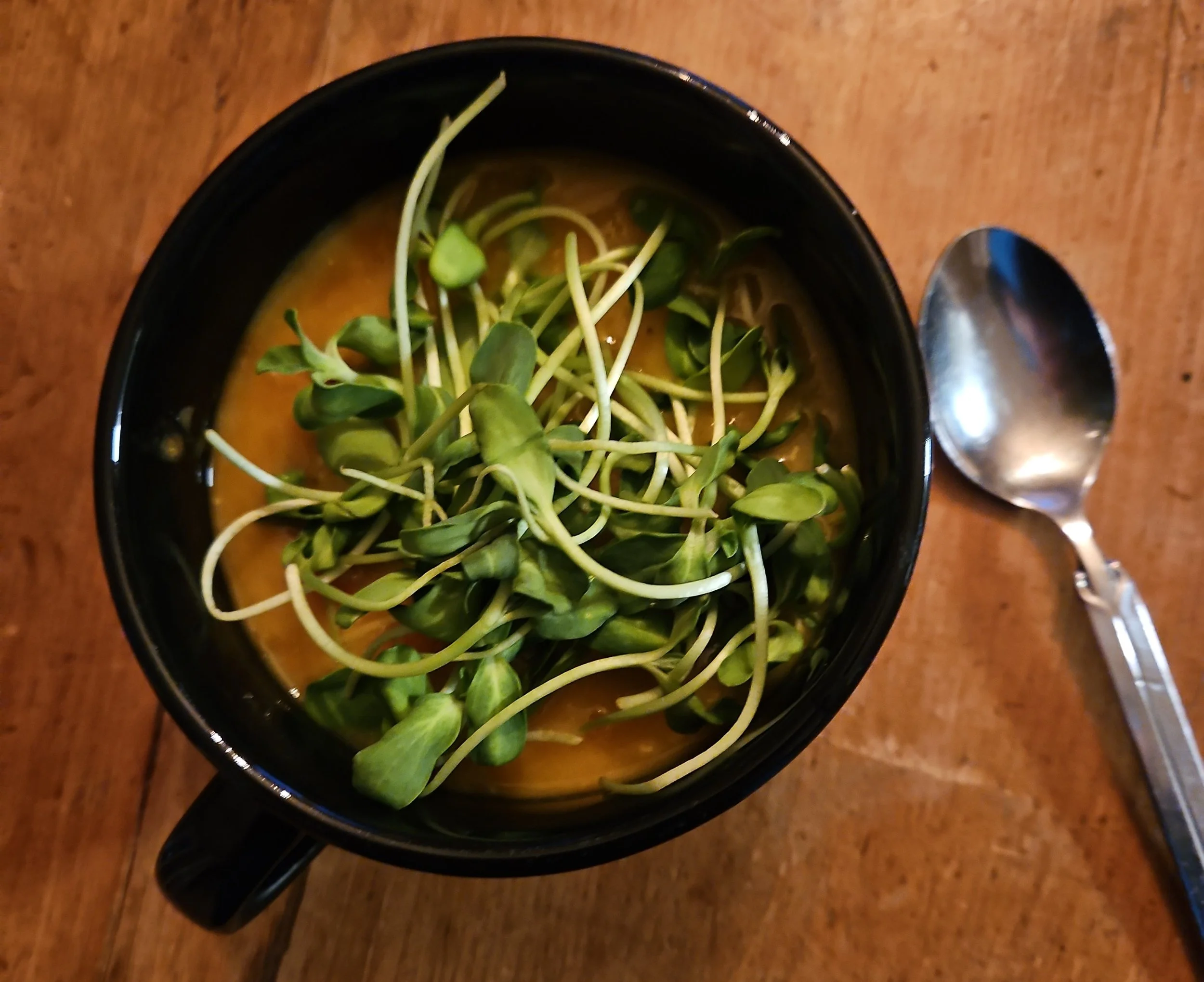
As the days grow shorter and our gardens tuck in for their winter rest, many of us start to wonder, how do we keep that fresh, homegrown goodness on our plates when the soil outside is frozen? The farmers’ markets have wound down, and the last of the garden’s harvest is finding its way into soups and stews. But nourishing ourselves through the winter doesn’t have to mean relying on store-bought greens or losing touch with vibrant, living food.
Why Winter Nutrition Matters
Winter is a time when our immune systems work overtime. Cold and flu season brings new challenges, and it’s easy to fall into a routine of heavier, less nutrient-dense meals. Yet this is precisely when our bodies need vitamins, minerals, and antioxidants the most. We need strong nutrition to support immune function, reduce inflammation, and help us feel our best through the darker months.
Microgreens: Your Winter Garden Indoors
Microgreens are the perfect way to keep your nutrition thriving throughout the year. These tiny plants are harvested at their most nutrient-rich stage around 10 to 21 days after sprouting. And, they can contain up to 40 times more vitamins and antioxidants than their mature counterparts. Check out our previous blog post Nourishing Your Health with Microgreens and Herbs
At Medley Micro Farm, we grow our microgreens locally in organic soil mixes indoors and under controlled conditions, ensuring fresh, nutrient-dense food even in the depths of winter. They’re quick to grow, easy to enjoy, and bursting with vitality.
Let’s take a closer look at some of the nutritional powerhouses you can bring into your winter meals:
Broccoli Microgreens – Packed with vitamins A, B, C, E and K, as well as calcium, and sulforaphane, a potent compound that supports detoxification, heart health, and immune strength. Check out our Broccoli Microgreens: A Nutrient-Packed Superfood and Broccoli vs Supplements posts for more information on Broccoli Microgreens.
Pea Shoots – Sweet and tender, Pea Shoots or Pea Microgreens are high in vitamin A, C, E, and K. They also offer protein, anti-inflammatory and anticancer benefits.
Sunflower Shoots – Mild and nutty, Sunflower Shoots or Sunflower Microgreens are loaded with vitamins A, C, E, K and folate, along with minerals like calcium, magnesium, iron and potassium to support our health.
Radish Microgreens – Crisp and peppery, rich in vitamins A, C, E, and K, and a great source of antioxidants and minerals.
Kale Microgreens – A dense source of vitamin A, C and K, as well as minerals such as calcium, iron, and chlorophyll again, supporting our health.
Arugula Microgreens – Zesty and full of flavour, they contain compounds that support digestion, contain lots of vitamins such as Vitamin A, C, K, Folate and minerals such as calcium and potassium.
Microgreens are an easy way to elevate sandwiches, soups, smoothies, or even scrambled eggs with living nutrition.
Leveraging Herbs for Nutrition and Health Support
Herbs are another winter ally. Dried or freshly grown indoors, they not only add flavour but bring valuable therapeutic benefits.
Oregano, thyme, and sage support respiratory health and immune function.
Rosemary and peppermint stimulate circulation and improve focus.
Parsley and nettle are rich in iron and trace minerals to support energy and detoxification.
Lemon balm and chamomile calm the nervous system and promote restful sleep.
These are just a few herbs to consider. Make yourself a warming tea on a cold, dreary day that is not only warming but packed with nutritive and health supports.
Conclusion: Keep Growing Your Health All Year Long
Winter doesn’t have to be a season of nutritional scarcity. By bringing the garden indoors with microgreens and herbs, you can continue to nourish yourself and your family with vibrant, living food that supports immunity, energy, and overall wellness. Combining herbs and microgreens brings the best of both worlds in simple, delicious ways.
At Medley Micro Farm, we believe that food is medicine, and every season is an opportunity to cultivate health from the ground up—even when that ground is in a tray by your kitchen window.